

UAE E-Invoicing Revolution: New 2026 Tax Rules Explained
As we know, the UAE is now entering a new phase of digital tax compliance, it has introduced e-invoicing. This system will now transform the way how business entities issue, process, and report invoices.
This is not just another compliance update; it is a complete shift from manual invoicing to real-time digital reporting. And any businesses that fails to prepare risk operational disruption, penalties, and compliance failures will face the penalties levied by the FTA.
What is E-Invoicing?
E-invoicing is the talk of the town. This is a system where invoices are:
- Generated in a structured digital format
- Exchanged electronically between the supplier and the buyer and
- Reported directly to the Federal Tax Authority.
Traditional invoices like PDFs, scans, or Word files will NOT be considered as valid e-invoices.
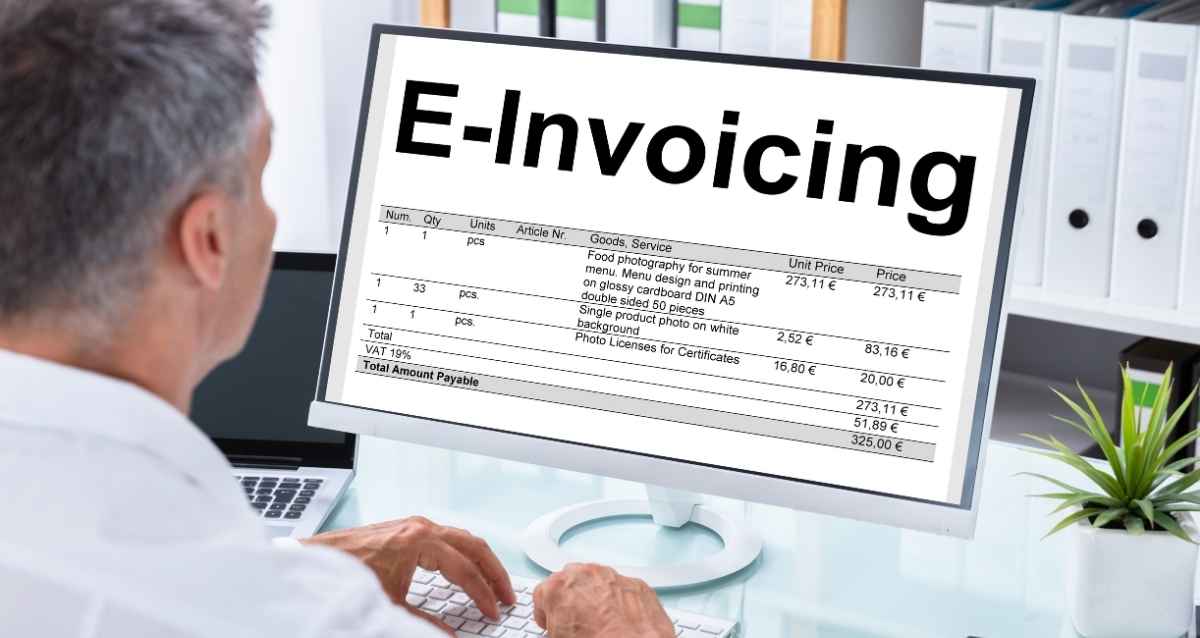
UAE E-Invoicing Timeline (2026–2027)
The introduction of e-invoicing in the UAE is happening in phases, which gives adequate time for the businesses to adapt to the new requirements:
Phase 1: Pilot & Voluntary Adoption
This is the 1st phase of the process, which includes the prerequisites:
- Starts: 1 July 2026
- Selected businesses + voluntary participation
- Testing systems and processes
Phase 2: Mandatory for Large Businesses
Phase 2 starts with the mandatory requirement for Large Business Entities:
- From: 1 January 2027
- Applies to businesses with revenue ≥ AED 50 million
- Appointment of ASP
Phase 3: Full Rollout
This will be the final phase of the process and by this time the gradual adoption is completed.
- From: 1 July 2027 onwards
- Covers most VAT-registered businesses
How the UAE E-Invoicing System Works
Concerning e-invoicing, the UAE has adopted a Peppol-based 5-corner model, creating a fully digital ecosystem. This is the most effective system globally and completely digital.
The Process involves:
- Creation of invoices in the ERP/accounting system
- Send to an Accredited Service Provider (ASP)
- Invoices are validated and formatted (XML standard)
- Reported to the FTA
Key Requirements Businesses Must Know
To comply with UAE e-invoicing, below listed are the requirements that every business must know:
- Use structured XML format PINT-AE standard
- Appoint an Accredited Service Provider ASP
- Ensure system integration with ERP/accounting software
- Maintain accurate master data (TRN, customer details)
- Issue invoices digitally; manual invoicing will not be accepted
Businesses that are relying on Excel or PDFs will need a complete system upgrade; they cannot continue with their current framework of working.
Why the UAE is Introducing E-Invoicing
Though e-invoicing has been in practice in many countries across the globe, this is a new thing to the businesses in the UAE. This reform is part of the UAE’s broader digital economy vision.
The key objectives of introducing e-invoicing in UAE, is to:
- Improve VAT compliance and accuracy
- Enable real-time tax reporting
- Reduce fraud and tax leakage
- Increase transparency across transactions
- Align with global tax digitisation trends
Implementation of this system will eliminate the possibilities of manual errors and “after-the-fact” VAT corrections.
Business Impact: What Will Change?
Introduction of e-invoicing has brought in numerous impacts when compared to the current process.
- This will be the end of manual invoicing; going forward, there will be no more PDF invoices and no possibility of creating backdated entries.
- There will be real-time compliance, which means every invoice is tracked instantly and the errors will be flagged immediately.
- Increased audit visibility by means of the FTA having direct access to the transaction data and the possibility of higher scrutiny which reduces the chances for mistakes.
- More into the dependency on the technology. Which in turn creates the need for the ERP systems to be upgraded and its integration with ASPs is mandatory
Cost vs. Opportunity:
This is one of the most important impacts. The initial costs of implementation might look high, which include system upgrades and implementation costs.
However, the long-term benefits will be faster processing, reduced errors and better cash flow management.
Risks of Non-Compliance
Businesses that are found non-compliant to the requirement may face:
- Invoice rejection
- Business disruption
- Penalties (up to significant amounts per violation)
- · Loss of input VAT claims due to invalid invoices

How to Prepare for E-Invoicing (2026 Action Plan)
This is one of the important sections in this blog. Before you start the process, be prepared on the requirements.
- Conduct a System Readiness Assessment, by which you can understand whether your ERP generate XML invoices? Is your data structured correctly?
- Choosing the Right ASP is very important for integration and validation.
- Clean Your Data before you start the process, like the correct TRN numbers are mentioned, and accurate customer/vendor records are updated.
- Redesign Internal Processes in line of the new requirements, like the approval process of workflows, invoice validation procedures and error correction mechanisms
- Train your finance and operations teams in such a way that they understand the new workflows and digital compliance requirements.
How Flying Colour Tax Consultants Can Help?
At Flying Colour Tax Consultants, we help businesses:
- Assess e-invoicing readiness
- Implement compliant systems
- Integrate ERP with ASP platforms
- Ensure full compliance with UAE regulations
- Delivered to the customer
Every transaction creates a real-time audit trail, reducing errors and fraud. This is the highlight of the system.
To learn more about UAE E-Invoicing: The Upcoming Tax Revolution Every Business Must Prepare For, book a free consultation with one of the Flyingcolour team advisors.
Disclaimer: The information provided in this blog is based on our understanding of current tax laws and regulations. It is intended for general informational purposes only and does not constitute professional tax advice, consultation, or representation. The author and publisher are not responsible for any errors or omissions, or for any actions taken based on the information contained in this blog.