

Vending Machines and VAT: What the FTA’s New Directive Means for Your Business
If you run a business that sells via vending machines, read this carefully!
On 19 November 2026, the Federal Tax Authority (FTA) issued Directive on Tax Transactions No. 8 of 2026, which sets out the VAT treatment of supplies made through vending machines. If you sell snacks, drinks, personal care items or anything else from a self-service machine, or you place machines in other people’s premises, it affects how you document sales and when you account for VAT.
Here is what it says and what to do.
The headline: no Tax Invoice needed
A Taxable Person making supplies of Goods or Services through a vending machine is not required to issue a Tax Invoice for those supplies. There is one condition: you must keep sufficient records to substantiate the details of each supply.
This makes sense. A machine that sells a bottle of water for a few dirhams cannot sensibly issue a full Tax Invoice to every buyer.
What records you need to keep
The Directive sets a minimum standard for record-keeping. Still, it is mandatory and ensures that your records include:
- A description of the Goods or Services supplied via the vending machine.
- The total Consideration received and the Tax charged; this is the most important detail.
- The date of supply, as determined under Article 26(2) of the VAT Law.
Being a business owner ensure that you machines or the backend systems capture these and is reliable. If not, get it fixed first. As the invoice exemption depends on having these records.
What counts as a Vending Machine?
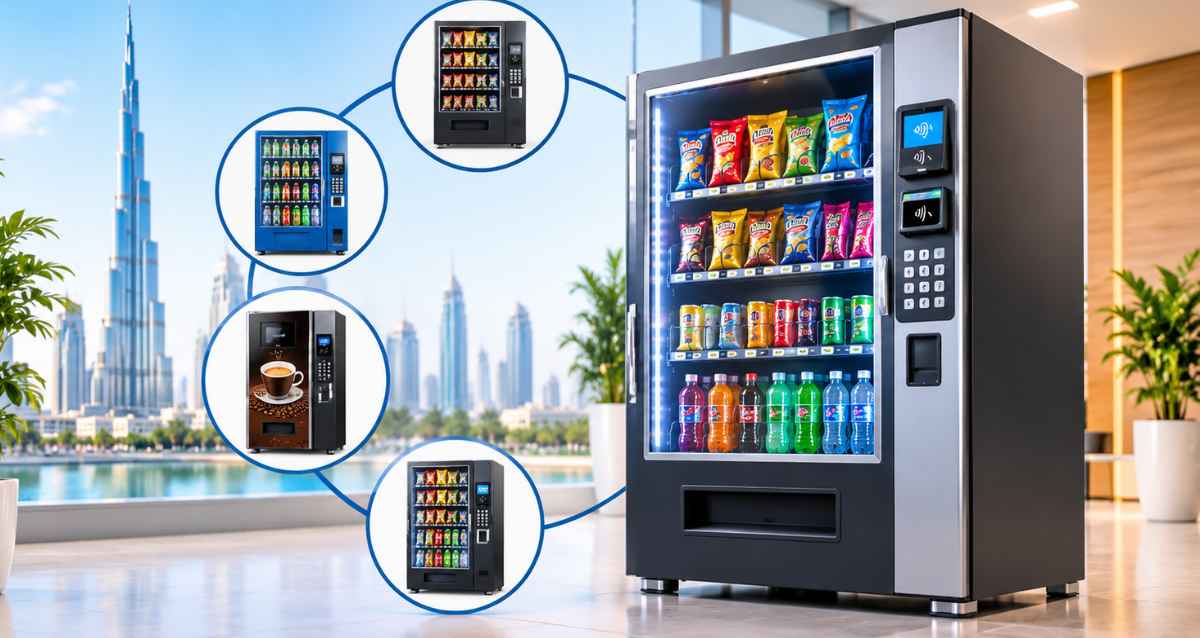
As per the guide, a Vending Machine is referred to as an automated self-service device that supplies Goods or Services automatically and immediately, as a result of direct physical interaction by the customer, without any human intervention by the supplier in completing the supply.
Remember that the day-to-day running or maintenance of the machine does not count as human intervention. Activities such as operating, maintaining, monitoring and replenishing the machine are all out of the scope of the term of human intervention.
This definition decides who benefits from the relief. A staffed kiosk or a transaction where someone on your side takes part in completing the sale may not qualify. If you run a hybrid model, such as a machine with staff-assisted sales or a service element, check whether it fits the definition.
When machines are run by someone else
Many businesses don’t run their own machines. They use a third-party operator who places the machine, collects the cash or card payments and passes the money on later. The Directive addresses this situation.
Where the machine is operated by a Person other than the Taxable Person, the date the Consideration is treated as collected, for Article 26(2) of the VAT Law, is the earlier of:
- The date you receive information from the operator confirming the collection and specifying the amount collected, or
- The day after 30 days have passed from the date the operator collected the Consideration.
In practice, you can’t leave the VAT point open indefinitely because the operator is slow to report. If the operator hasn’t told you after 30 days, the clock starts anyway. Your VAT reporting then runs on a hard backstop, regardless of the operator’s reporting pace.
What we would do now
-
Review your machine contracts: Ensure that agreements with machine operators require them to provide timely and itemised collection reports. This will help you maintain the necessary information before the 30-day deadline applies.
-
Check your records: Make sure your system captures the three minimum data requirements: a description of the goods or services supplied, the total Consideration and Tax charged, and the date of supply.
-
Identify your sales channels: Separate sales made through vending machines that meet the legal definition from other sales. This will help you apply the Tax Invoice exemption only to eligible transactions.
-
Improve your month-end process: If you work with vending machine operators, establish a regular process for collecting, checking, and reconciling their sales data before the 30-day deadline.
-
Consider business customer requirements: Although the Directive relieves suppliers from issuing Tax Invoices for eligible transactions, business customers may still request supporting documents for their VAT records or input tax claims. Establish a clear process for handling these requests.
A note on timing
The Directive provides that it will be published in the Official Gazette. We recommend confirming the publication and applicable effective date before changing your processes, and reviewing any transactions around the transition.
How Flyingcolour Tax Consultant can help?
If you operate vending machines, or you rely on third-party operators, we can review your VAT treatment, check your record-keeping against the Directive’s minimum requirements and look at your operator agreements. Get in touch with our team, and we’ll walk through your specific setup.
This article is a general summary of the FTA’s Directive on Tax Transactions No. 8 of 2026 and does not constitute tax advice. Your circumstances may differ, so please speak to a qualified adviser before acting.
FAQs: Vending Machines and VAT in the UAE
1. What is FTA Directive No. 8 of 2026?
It is an FTA directive issued on 19 November 2026 setting the VAT treatment of supplies made through vending machines, including tax invoice relief and rules for third-party operators.
2. Do vending machine businesses need to issue tax invoices in the UAE?
No. Taxable persons supplying goods or services through vending machines need not issue tax invoices, provided they keep sufficient records to substantiate each supply.
3. What records must vending machine operators keep for VAT?
Keep a description of the goods or services supplied, the total consideration received and tax charged, and the date of supply determined under Article 26(2) of the VAT Law.
4. What counts as a vending machine for VAT purposes?
An automated self-service device that supplies goods or services immediately, through direct customer interaction and without supplier intervention. Routine operation, maintenance, monitoring and restocking do not count as intervention.
5. When is VAT due if a third-party operator runs the machine?
Payment is treated as collected on the earlier of two dates: when the operator tells you the amount collected, or the day after 30 days from the operator's collection.
6. Does the directive exempt vending machine sales from VAT?
No. It only removes the individual tax invoice requirement. VAT still applies to vending machine sales, so businesses must still account for tax and keep accurate records.
7. What should vending machine businesses do after this directive?
Review operator contracts, check that systems capture the required records, separate qualifying vending sales from staffed sales, and set up month-end reconciliation of operator collections before the 30-day backstop.(SSK)
To learn more about Vending Machines and VAT in the UAE: FTA's New Directive, book a free consultation with one of the Flyingcolour team advisors.
Disclaimer: The information provided in this blog is based on our understanding of current tax laws and regulations. It is intended for general informational purposes only and does not constitute professional tax advice, consultation, or representation. The author and publisher are not responsible for any errors or omissions, or for any actions taken based on the information contained in this blog.